Minnesota sues Trump administration over $243M Medicaid funding pause
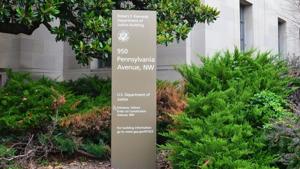
Minnesota announced Tuesday it is suing the federal government for withholding $243 million in Medicaid payments.
State officials say the move puts health care coverage for more than 1 million residents at risk while sidestepping the administrative process already underway.
Minnesota Attorney General Keith Ellison and the Minnesota Department of Human Services filed the lawsuit jointly in federal court. State officials allege the Centers for Medicare and Medicaid Services moved forward with the deferral before completing the required review tied to its January noncompliance notice.
Under Medicaid, the federal government shares costs with the state to provide health coverage to low-income residents, seniors, and people with disabilities. The program covers families earning up to $42,759 annually for a household of four, according to the Minnesota Department of Human Services.
Ellison said the state is challenging what he called an unlawful attempt to cut funding before proving any wrongdoing.
“The Trump Administration’s M.O. is to cut first, no matter what the law says or who gets hurt, and ask questions later, if at all,” Ellison said. “These cuts are the latest in a long series of efforts to go around the law to punish Minnesotans—but just as we fought back and won when they illegally tried to cut funding for childcare, hungry families, and our schools, we are suing them again today to make them follow the law.”
Ellison also noted his office’s record on Medicaid fraud enforcement, which includes more than 300 convictions and $80 million in judgments and restitution, and said the state continues to pursue additional oversight tools.
President Donald Trump has framed the pause as part of a nationwide “War on Fraud,” with Vice President J.D. Vance leading the effort. Vance said the administration would not allow taxpayer dollars to be misused.
“We have decided to temporarily halt certain amounts of Medicaid funding that are going to the state of Minnesota,” Vance said. “Far too many people have gotten rich by taking what is best of the American spirit and getting rich off of it instead of providing services to kids who need it.”
The lawsuit follows the Trump administration’s Feb. 25 announcement that it would pause $259 million in federal Medicaid payments owed to Minnesota. Gov. Tim Walz criticized the decision.
“This isn’t a deferral, it’s a ransom note,” Walz said. “The Trump Administration is using kids as pawns in their campaign of retribution against our state.”
Technically, the pause is a deferral in payments, which Minnesota called an “unprecedented” method to audit funds.
“Deferrals have never been used to categorically deny funds to a state across entire service areas, as is being done here,” Ellison’s office said in a statement. “The unprecedented February 25 deferral is more than 15 times larger than any past deferral Minnesota has been issued.”
The legal dispute comes as fraud investigations across Minnesota continue, with independent and federal investigators estimating potential schemes totaling between $9 billion and $20 billion. The White House described fraud in Minnesota as “pervasive and disturbing.”
The $243 million at issue is part of a broader dispute over more than $2 billion in annual Medicaid funding flagged by the Trump administration in January, pending the completion of the state’s administrative appeal. Minnesota officials say the larger threat underscores what they see as an “unprecedented” approach to addressing fraud.
State officials say withheld payments represent roughly 7% of Minnesota’s quarterly Medicaid funding and warn the loss—even temporarily—could force reductions in healthcare services for low-income families or require lawmakers to shift money from other parts of the state budget.
Minnesota is seeking a temporary restraining order to immediately block the funding pause while the legal challenge proceeds in federal court.
While an initiative of the federal government, state lawmakers are also looking to address fraud.
In the past few weeks, Republicans have renewed calls for a statewide independent Office of the Inspector General, arguing broader oversight is needed amid ongoing probes into alleged fraud in taxpayer-funded programs. Walz has also introduced his own “comprehensive anti-fraud package.”





Showers And Thunderstorms Likely
Latest News Stories

Illinois Quick Hits: Unemployment numbers rise; Champaign job growth continues

Filing lawsuits doesn’t immunize Gori vs asbestos fraud claims: New filing
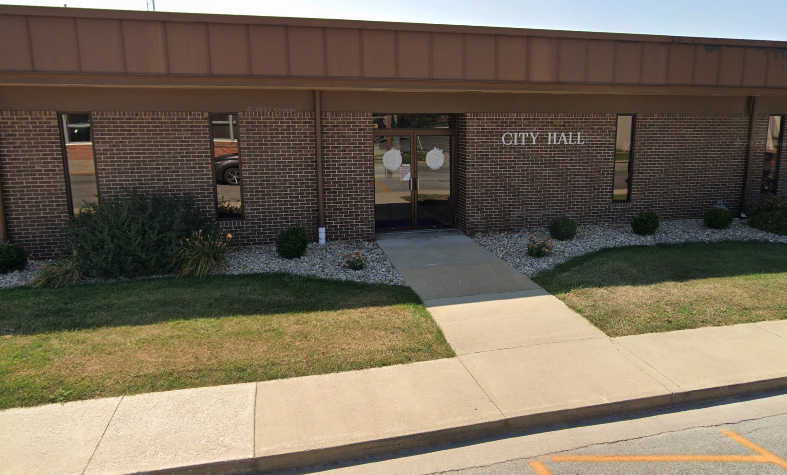
Casey Annexes City-Owned Properties to Correct Boundary ‘Donut Holes’
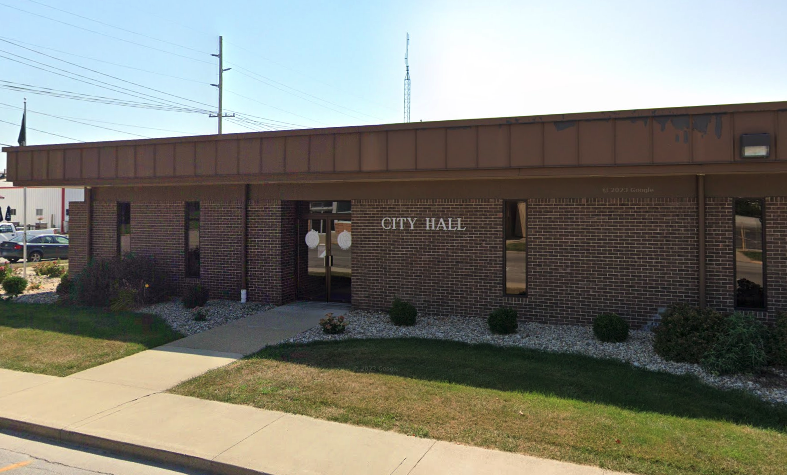
Casey Approves Two Easement Ordinances for North-of-Interstate Utility Work

Meeting Summary and Briefs: Casey-Westfield CUSD C-4 Board of Education for May 18, 2026
Casey Moves to Curb Park Vandalism With Cameras, Possible E-Bike Ban

Casey-Westfield Board Eliminates One Support Position, Reassigns Two Aides
Casey to Raise Utility Rates Across Gas, Electric, Water and Sewer After $900,000 Shortfall
Bill to let felons vote from prison draws criticism from Republicans
Supreme Court yet to decide high profile cases

Government spending on seniors’ benefits soon to make up majority of federal budget

Illinois Dems seek to expand post-release convict support, housing