Pritzker announces $2B in medical debt erased, half in Cook County
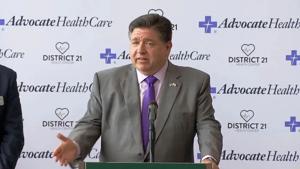
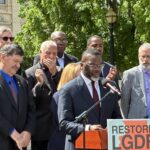
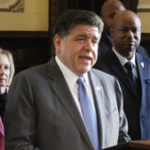
(The Center Square) – Illinois Gov. J.B. Pritzker met with Cook County health officials Tuesday to announce a $1.8 billion in erased medical debt for residents through a state program.
Combined with a similar county program, $1.5 billion was erased for Cook County residents.
“Combined with our partners here in Cook County, who have erased $1.5 billion, we have delivered more than $2 billion in relief to over a million Illinoisans in all 102 counties of our state, with an average elimination across the state of $1,200 per patient,” Pritzker said.
The legislation that created the Medical Debt Relief Program for the state – based on the Cook County program – was signed into law in July 2024. The state partnered with nonprofit Undue Medical Debt, formerly known as RIP Medical Debt, committing to provide $10 million in grants to pay off debts.
Allison Sesso, CEO of Undue Medical Debt, described the act of erasing debt as taking advantage of the market system.
Sesso explained the way debt can be functionally erased is by buying it from collections agencies, who sell it at pennies on the dollar due to the likelihood of the debt not being paid.
“Well, we take advantage of that pricing, but instead of trying to collect on those debts, we let those people know that we have used either government dollars or donated dollars, and we are relieving them of those debts for good,” Sesso said.
Erik Mikaitis, CEO of Cook County Health, noted the debt relief may help to strengthen the financial footing for Illinois families.
“Next year as more Medicaid cuts take effect, more individuals could become uninsured. Safety net systems will face increased financial strain,” said Mikaitis. “Relieving debt now strengthens families before further economic pressures hit and reduces financial vulnerability at a time when the federal health and social service programs are being weakened.”
Findings from a 2024 study by the National Bureau of Economic Research suggest that those outcomes may not be as prominent as suggested by officials.
Researchers found that of the 83,401 relief recipients surveyed, there was no average impact on financial wellbeing, the future usage of health care or the wellbeing of patients.
Separately, the study suggested that such relief negatively affects the repayment of other medical bills.
Cook County officials also announced they plan to continue the program, despite no longer getting federal stimulus funds from the 2021 American Rescue Plan.
Partly Cloudy
Latest News Stories
Trump appoints housing regulator as acting spy chief

Mullin defends $118B Homeland Security budget request

Bill loosens in-state tuition requirements

Illinois Quick Hits: Nine arrested during Naperville teen gathering
Rubio provides few answers to Congress on Iran conflict timeline
Pritzker housing proposal partly stalls amid overreach concerns from localities
HUD shifts $4B homelessness program from ‘Housing First’ to treatment
Poll: Democrats hold slight edge over Rogers in Michigan U.S. Senate race
Swipe fee battle continues after delay, court ruling
Walz appoints members to Operation Metro Surge ‘Truth Council’
$45M included in budget for previously unfunded property tax relief

Over one ton of cocaine seized at U.S.-Mexico tunnel bust