Pritzker announces $2B in medical debt erased, half in Cook County
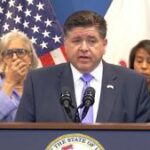
(The Center Square) – Illinois Gov. J.B. Pritzker met with Cook County health officials Tuesday to announce a $1.8 billion in erased medical debt for residents through a state program.
Combined with a similar county program, $1.5 billion was erased for Cook County residents.
“Combined with our partners here in Cook County, who have erased $1.5 billion, we have delivered more than $2 billion in relief to over a million Illinoisans in all 102 counties of our state, with an average elimination across the state of $1,200 per patient,” Pritzker said.
The legislation that created the Medical Debt Relief Program for the state – based on the Cook County program – was signed into law in July 2024. The state partnered with nonprofit Undue Medical Debt, formerly known as RIP Medical Debt, committing to provide $10 million in grants to pay off debts.
Allison Sesso, CEO of Undue Medical Debt, described the act of erasing debt as taking advantage of the market system.
Sesso explained the way debt can be functionally erased is by buying it from collections agencies, who sell it at pennies on the dollar due to the likelihood of the debt not being paid.
“Well, we take advantage of that pricing, but instead of trying to collect on those debts, we let those people know that we have used either government dollars or donated dollars, and we are relieving them of those debts for good,” Sesso said.
Erik Mikaitis, CEO of Cook County Health, noted the debt relief may help to strengthen the financial footing for Illinois families.
“Next year as more Medicaid cuts take effect, more individuals could become uninsured. Safety net systems will face increased financial strain,” said Mikaitis. “Relieving debt now strengthens families before further economic pressures hit and reduces financial vulnerability at a time when the federal health and social service programs are being weakened.”
Findings from a 2024 study by the National Bureau of Economic Research suggest that those outcomes may not be as prominent as suggested by officials.
Researchers found that of the 83,401 relief recipients surveyed, there was no average impact on financial wellbeing, the future usage of health care or the wellbeing of patients.
Separately, the study suggested that such relief negatively affects the repayment of other medical bills.
Cook County officials also announced they plan to continue the program, despite no longer getting federal stimulus funds from the 2021 American Rescue Plan.



Mostly Sunny
Latest News Stories
Costco faces lawsuit as consumers seek refunds from invalid tariffs

Insurer won’t back Gori defense vs asbestos lawsuit fraud claims
With teachers union support, committee approves charter school mandates
Allstate can’t delete class action over alleged secret app tracking

Chicago voters view housing affordability as bigger issue than crime
New Illinois gun bill aims at glock switches; critics say it misses the real problem
Illinois quick hits: Cook County spends nearly $20 million on food, housing services; Chicago Teachers Union tells teachers, students to skip school; Russell Dickerson to play Du Quoin State Fair
Meeting Summary and Briefs: Casey-Westfield School Board for Feb. 23, 2026

Illinois quick hits: Services Saturday for teen killed by line drive
Critics concerned seizure detection bill impacts Illinois’ small businesses
CTA security enhancement plan follows federal push, complaints
Lawyers who specialize in suing Chicago cops seek special prosecutor to go after ICE
IL Labor Relations Board director: Rideshare unionization bill could double budget
Meeting Summary and Briefs: Casey City Council for March 2, 2026