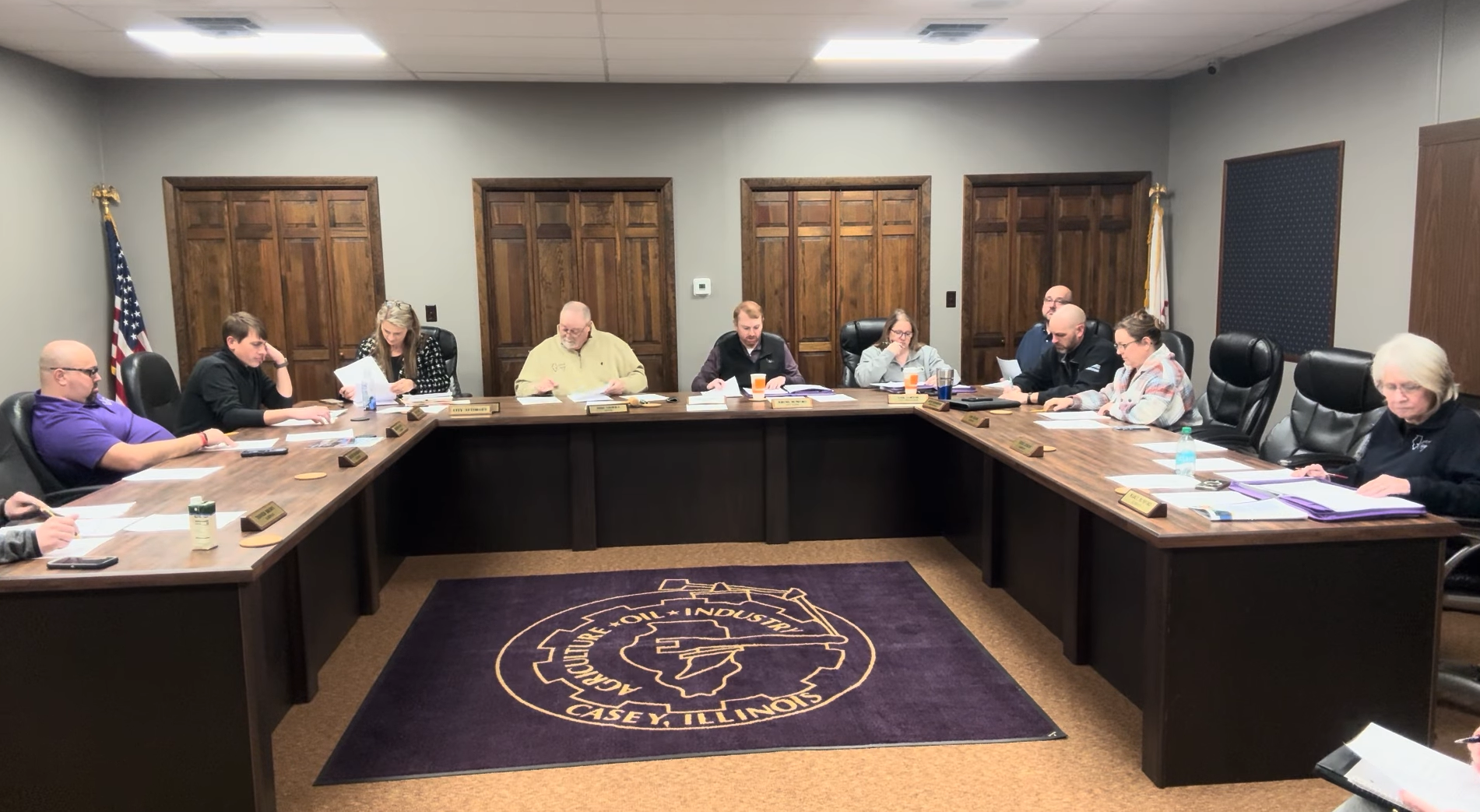
Casey Council Implements Municipal Grocery Tax to Replace State Levy
Casey City Council Meeting | March 2, 2026
Article Summary: The Casey City Council voted to implement a 1% Municipal Grocery Retailers’ Occupation Tax to replace the grocery tax recently eliminated by the State of Illinois. The new tax will take effect on July 1, 2026, with revenue directed to the city’s corporate fund.
Grocery Tax Ordinance Key Points:
-
Tax Rate: A 1% tax on gross receipts from the sale of groceries.
-
Reasoning: The State of Illinois eliminated the state-level 1% grocery tax and authorized municipalities to implement their own to recapture the revenue.
-
Effective Date: July 1, 2026.
-
Vote Result: Passed in a 3-1 split vote.
The Casey City Council on Monday, March 2, 2026, approved Ordinance #610, establishing a local tax on grocery sales to maintain revenue levels following changes in state legislation.
Mayor Mike Nichols introduced the measure, explaining that the State of Illinois had stopped the collection of the 1% food tax as of January 1, 2026, but provided municipalities the authority to create their own ordinance to keep that 1% revenue stream intact.
“The state just passed it on to the municipalities and said, ‘You guys do it yourselves instead of through the state,'” Nichols told the Council. He noted that while the city had not initially discussed the tax because Casey lacks a large chain grocery store, the tax applies to grocery products sold at other retailers, such as convenience stores and butcher shops.
According to the ordinance included in the agenda packet, the tax applies to “all persons engaged in the business of selling groceries at retail in the municipality.”
During discussion, Alderman Tanner Brown asked for clarification on where the generated funds would be allocated. Nichols confirmed the revenue would go into the corporate fund, which supports general city operations including the police department.
“I don’t anticipate it being much, but still, if it’s enough to help with some things through corporate… it’s not adding more. It’s picking up what [was there],” Nichols said.
The Council discussed the timeline for implementation. The Ordinance Committee reported that because the January 1 deadline was missed, the tax cannot go into effect until July 1, 2026.
The measure passed in a split 3-1 vote. Aldermen Jeremiah Hanley, Marcy Mumford, and Lori Wilson voted in favor. Alderman Tanner Brown voted against the measure. Aldermen Steve Jenkins and Carlene Richardson were absent.
Slight Chance Showers And Thunderstorms then Chance Showers And Thunderstorms
Latest News Stories

Meeting Summary and Briefs: Lake Land College Board of Trustees for September 2025

Volunteer Shortage Cancels Library’s Parade Entry; Full Slate of October Events Planned

Building Blocks of Literacy: First Graders Master Reading and Writing
WA Dems blame GOP for government shutdown; 1 million in state could lose SNAP benefits

Officials react to allegations of civilians impersonating ICE

WATCH: Bonta visits food bank amid lawsuit over CalFresh

IL taxpayers to pay $20M for food banks as SNAP funding lapses start Saturday

Poll: 7 in 10 of Americans are against mail-order abortion without a doctor visit
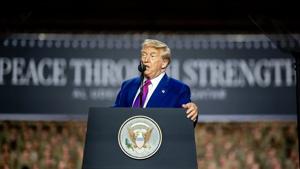
Trump’s plan to re-start nuclear weapons testing faces criticism

Illinois quick hits: Corrections director appointment approved; Clean Slate Act passes

Tyler Robinson’s in-person hearing delayed to January

GOP may have to rewrite govt funding bill as shutdown hits 1 month mark