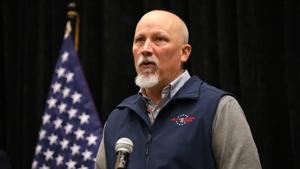
Supreme Court upholds evidence-based immigrant asylum standards
The U.S. Supreme Court, in a unanimous decision on Wednesday, upheld a lower court ruling that required substantial evidence for an asylum application.
The case, Urias-Orellana v. Bondi, focused on a family of Salvadorean nationals who applied for asylum after entering the United States illegally in 2021. Under the Immigration and Nationality Act, the U.S. government can grant asylum to a noncitizen if it determines they are a refugee.
The act qualifies asylum seekers as someone who is unable or unwilling to return to their home country based on a well-grounded fear of persecution based on race, religion, nationality or political opinion.
Humberto Urias-Orellana cited fears of persecution and threats made by gang members in El Salvador during his families’ asylum application. They pointed to persistent death threats made against himself and his family members. An immigration judge determined that death threats were only viable in asylum claims if they were significant enough to cause actual suffering or harm.
“Because Urias-Orellana ‘only had problems when he returned to his hometown,’ his testimony did not establish a well-founded fear of future persecution,” Justice Ketanji Brown Jackson wrote in the court’s majority opinion.
The substantial-evidence review standard requires that a decision be upheld if it is supported by evidence that casts significant doubt to support a particular conclusion. The standard revolves around whether a “reasonable mind” would find the evidence in a case supports a particular finding.
“Even accepting his allegations as true, they were not ‘so compelling that no reasonable factfinder could fail to find the requisite fear of persecution,'” Jackson continued.
The court’s unanimous decision upholds existing standards of immigration law in the United States and keeps decisions consistent throughout the asylum process.




Slight Chance Showers And Thunderstorms then Chance Showers And Thunderstorms
Latest News Stories

Chicago can’t ditch airlines’ suit vs ‘disruptive’ paid sick leave rules

FEMA says funding debate didn’t affect response to Hawaii

Maryland Supreme Court tosses Blue cities’ climate lawsuits against energy companies
Arizona Senate majority leader blasts Phoenix resolution limiting ICE operations

$4.4B budget request for new Illinois early childhood agency draws scrutiny

Lawmaker, officer warns Elgin officer firing could chill free speech

Airline nixes perk for flying lawmakers as DHS shutdown continues

Student sues school over removal of Charlie Kirk tribute

Illinois quick hits: Coalition calls for more action on data centers

Asylum advocates disappointed by Supreme Court arguments

IL House GOP asks “Have you had enough yet” following student’s murder

EXCLUSIVE: 5-year anniversary of Operation Lone Star, nearly 540,000 apprehended