

What’s in the bipartisan housing bill?
U.S. senators will vote this week on a massive bipartisan package that aims to expand housing supply and affordability for Americans.
The 21st Century ROAD to Housing Act is a compilation of the House’s and Senate’s respective housing bills, with some last-minute deletions and additions championed by the White House.
The legislation arrives as the median home price in the U.S. sits above $405,000 while the median annual household income is below $84,000, according to the most recent federal statistics.
“The 21st Century ROAD to Housing Act really does meet the need,” Senate Banking Committee Chairman Tim Scott, R-S.C., told reporters Wednesday. “It focuses on local jurisdictions, number one. It removes red tape and unnecessary burdensome processes from the federal government, number two. And number three, it creates and will expand housing supply while focusing on affordability.”
Among dozens of other policies, the bill focuses heavily on expanding and supporting manufactured housing.
It revises the federal definition of “manufactured housing” to include units not built on permanent chassis and authorizes a specialized grant program for areas with manufactured housing communities. It also updates mortgage lending standards through the Federal Housing Administration for manufactured homes.
Other measures include streamlining environmental reviews for new housing construction, lifting the 15% cap on banks’ private investments in affordable housing to 20%, and establishing a pilot program to convert vacant and abandoned buildings into livable housing.
The two provisions causing the most stir, however, are both additions that President Donald Trump endorsed.
One prohibits the Federal Reserve from issuing a central bank digital currency before the year 2030, addressing some Republicans’ concerns over financial liberty and privacy rights.
The other, which has wide bipartisan support, bans large institutional investors from buying single-family homes for the next 15 years – though manufactured housing, multifamily homes, and homes built as rentals are exempted.
Connected to that ban is a requirement that institutional investors sell rental homes they build to individuals within seven years of construction, which lawmakers say will expand the number of homes on the market and drive down prices.
The Senate could vote as soon as Thursday on passage of the bill, which will almost certainly succeed. Once passed, it must travel to the House for approval before the president can sign it into law.






Chance Showers And Thunderstorms
Latest News Stories

Big Things Attractions
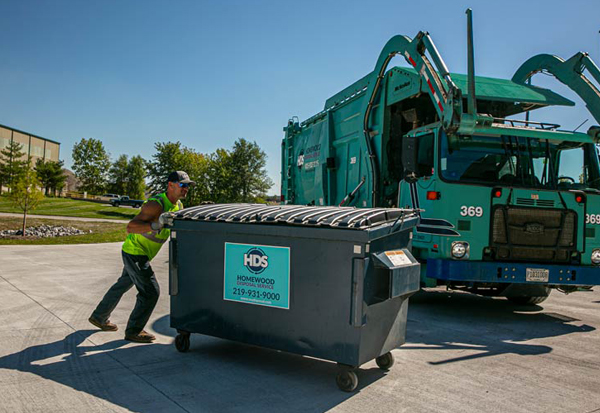
Trash Pick a Day Late

Main Street Closed for Candy Canes on Main

Candy Canes On Main Dec 6 & 7, 2024


- « Previous
- 1
- …
- 194
- 195
- 196