Lawmaker criticizes surplus spending bill
(The Center Square) – A proposal aimed at helping local governments manage retiree health care costs is drawing differing views from Illinois lawmakers over how taxpayer dollars should be used.
Senate Bill 4175 would allow municipalities to create Other Post-Employment Benefits trusts, which are designed to fund retiree fringe benefits such as health care. Supporters say the measure offers a more structured and potentially cost-effective way to manage long-term obligations.
“Senate Bill 4175 would allow municipalities to establish OPEB trusts to fund retiree fringe benefits. These trusts allow municipalities to invest the funds more broadly than typical municipal accounts and can help improve credit ratings. I’ve worked to put guardrails in place to protect municipalities, ensuring financial responsibility is a priority,” Sen. Suzy Glowiak Hilton, D-Western Springs, told The Center Square.
Critics say the bill could encourage governments to keep excess tax revenue instead of returning it, with Sen. Chris Balkema, R-Channahon, warning it raises broader fiscal concerns despite appearing beneficial at first glance.
“At face value, it appears to help with spending,” Balkema said. “But when a municipality has a surplus, the better thing to do is give the money back to the taxpayer.”
Balkema said municipalities that consistently run surpluses may be overtaxing residents in the first place. He argued that instead of directing excess funds into new accounts for retiree health care, local governments should focus on reducing tax burdens.
“Don’t tax more,” he said. “Let’s not create a new path on where to funnel the money to pay for a necessary cost.”
Drawing on his experience as former chairman of Grundy County, Balkema said local governments can run surpluses through efficiency improvements but should use those funds to pay down debt or reduce future tax levies.
“There are opportunities to run your organization efficiently,” he said. “But doing it in a way that allows taxes to be reduced in the future is the better approach.”
Balkema acknowledged those costs are legitimate but questioned whether the approach outlined in the bill is appropriate.
“Employees need health care, I get that,” he said. “But this seems like a roundabout way that perhaps costs would be covered through a fashion that they shouldn’t.”



Patchy Smoke
Latest News Stories
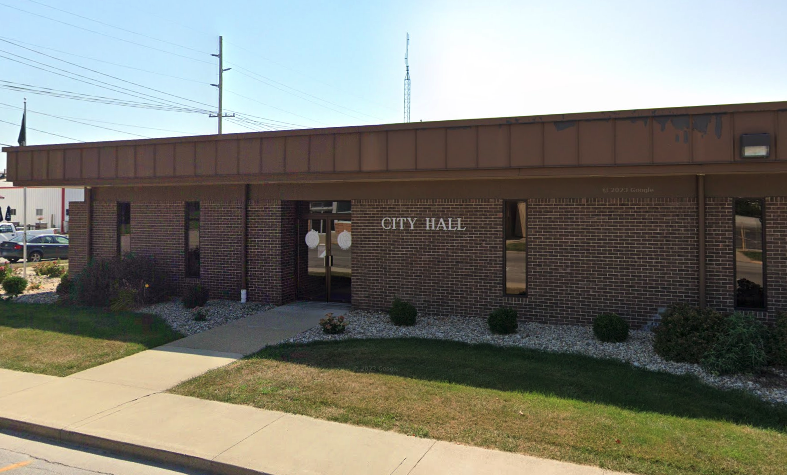
Casey Approves $15,000 Popcorn Festival Donation as Carnival Grows

Service member killed in action; remains found in search for one missing
Second family welcomes baby boy

Everyday Economics: Falling gas prices helped keep consumers spending
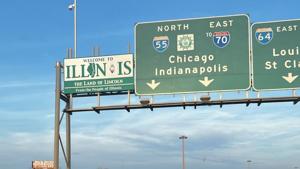
Illinois may bring early warning of toll costs ahead of proposed rate hike
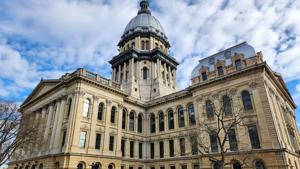
Illinois senator says True Value move highlights business climate concerns
Casey-Westfield Adopts Amended FY 2026 Budget After Hearing Draws No Comment
Casey’s Fourth of July Draws Thousands Despite Storm Cancellations

Two services members killed, one missing in Iranian strike
U.S. Coast Guard monitors Chinese ships off Alaska coast

Millions celebrate America 250, Sail250 events in key ports

Chicago delays vote on parking meter sale, risks litigation