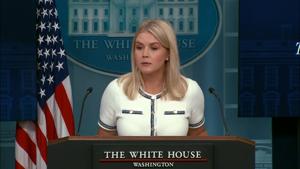
Trump admin seeks health-care price transparency
Taxpayer advocates are applauding the Trump administration over its efforts calling for medical price transparency in federal employee health-care plans while health-care industry leaders are pushing back.
The Office of Personnel Management requested comments from industry leaders and health-care experts on transparency within claims data for federal employee health insurance plans.
Trent England, executive director of Save Our States, said the issue is significant for taxpayers because they pay for federal employees health-care benefits. He said the system is opaque and does not provide appropriate access to the most competitive prices in the market.
“Hospitals and other medical providers set their prices, and they benefit from the opacity,” England told The Center Square. “They benefit from the fact that it’s just hard to see.”
England said that open access to claims data could mean the difference between paying $20,000 or $12,000 for the same procedure.
The Trump administration’s pursuit of claims data from insurance companies could have an impact on private health-care insurers as well, England pointed out. He said hospitals across the country are starting to provide upfront cost assessments more often.
“We have to be able to ask the questions about why some things cost so much and other things cost so little,” England said.
Andrew Bremberg, former director of the Domestic Policy Council in the first Trump administration, applauded OPM’s efforts to pursue price transparency for federal worker insurance plans.
“It’s vital that OPM get this claims data so they can detect fraud and fight back against it,” Bremberg told The Center Square.
He said the work in health-care price transparency has been ongoing since the first Trump administration. Bremberg pointed to a recent settlement from Horizon Blue Cross Blue Shield of New Jersey.
The insurance provider agreed to pay $100 million in November to resolve claims that it overcharged the plan in order to secure a contract to manage New Jersey’s public employee health plans.
“The health plan was paying out claims using taxpayers’ money, not their money,” Bremberg said. “The taxpayers’ money was paying out claims at a higher amount than what the provider had even billed.”
The insurance company submitted more than 1,000 false claims to the state and used fraudulent records to support them, according to New Jersey prosecutors. Horizon received nearly $500 million across five years under its contract with New Jersey due to misrepresenting claims data and charging higher amounts than it was allowed.
Increasingly, third-party pay systems have become common in health care. These entities manage daily responsibilities for self-insured employer health plans. However, England said these health-care models lead to less transparency in the market.
“Politicians have conned people into thinking health care is too important to be left to the market, and it’s just the opposite,” England said. “Health care is too important to be left to politicians.”
Industry leaders have pushed back against the Trump administration’s pursuit of claims data. Several leaders have argued that widespread publication of claims data could violate patient privacy.
England acknowledged concerns about privacy but pointed out that the federal government is entrusted with large amounts of data already. He urged individuals concerned about data sharing to trust the government.
“They don’t want these questions being asked because it gets very awkward for some of these health-care providers that charge far more than the average prices for some of these procedures,” England said.
While OPM’s actions are strictly targeted to Federal Employees Health Benefits and Postal Service Health Benefits, England said they could have a ripple effect on the private health-care industry.
“This kind of data-driven accountability should be the standard across both public and private health systems and is critical to making evidence-based reforms,” Bremberg said. “We can and must protect patient privacy, but rejecting access to claims data outright would undermine one of the most effective tools available to improve affordability and system integrity.”





Mostly Sunny
Latest News Stories
Judge expands restraining order against ‘Beto’ O’Rourke, adds ActBlue

Reversing Biden’s precedent, students complete FAFSA in minutes at beta-testing event

Trump, Zelenskyy to meet Monday in steps toward peace with Russia

Casey Library Reports High Turnout for Summer Reading and Imagination Library Programs

Possible ‘agreement’ reached in Trump-Putin meeting; more discussion likely

WATCH: Gun rights supporters celebrate 9th Circuit’s ruling against CA gun rationing law

Feds sue California over emission standards for trucks
Illinois quick hits: ‘Lawsuit inferno’ bill takes effect after Pritzker signed 267 measures Friday

WATCH: UW-authored study on surgery times contradicts CMS basis for reimbursement cuts

State defends gun ban district court ruled unconstitutional

Trump aiming for ceasefire, world awaiting news from Putin summit

Pritzker acts upon 269 bills, vetoes 2, signs ‘lawsuit inferno’ measure