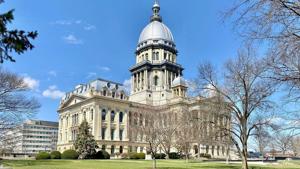
Illinois Dems seek to expand post-release convict support, housing
(The Center Square) – Lawmakers in Springfield are pushing to pass legislation to provide people recently released from prison with housing, which they say will save Illinois taxpayers by reducing the likelihood for someone to reoffend.
Heard in the Senate Appropriations committee, House Bill 624 – the ‘Home for Good’ Act – would expand housing services for people released from prison by using $35 million in taxpayer funds already approved in this year’s budget.
Ahmadou Dramé, director of the Illinois Justice Project, told the committee the proposed act would put existing services into law, allowing for more state oversight and the ability for housing support services to expand.
“Nearly 40% of people return to Illinois prisons within three years of release annually,” Dramé said. “Recidivism costs Illinois taxpayers and society more than $1.1 billion on top of the more than $2 billion a year that the state pays to fund the Illinois Department of Corrections, Home for Good is designed to break this costly cycle.”
Dramé said the proposal consists of four parts – existing rental assistance programs, support for community re-entry programs, building more state-owned rental units, and the creation of a ‘Home For Good Institute,’ which would provide training and support to organizations at the local level.
Sen. Adriane Johnson, D-Waukegan, the bill’s sponsor, said the overarching goal of the law would be to save taxpayer dollars in the long-term.
“This proposal will create safer, stronger communities across Illinois by improving housing and support services for people returning from prison to prevent homelessness, increase public safety, and save taxpayers money,” said Johnson.
In the proposal, the savings for taxpayers would come at the near-term cost of up to $35 million, which has been pledged by the state’s Restore, Reinvest, and Renew, or R3, board. Grant applications for the funding have already closed.
Critics of the proposal have previously said they worry about using taxpayer funds to provide housing and support to people with criminal histories, especially when violent in nature.
Supporters, including those who testified before the committee, have in turn argued the proposal should be looked at as an investment being made by the state, using already existing funds.




Partly Sunny
Latest News Stories

Do No Harm claims racial discrimination in civil rights complaints against 2 health groups

Clark County Bans Kratom Sales in Unincorporated Areas

Senate Judiciary confronts rise in child trafficking and sextortion

WATCH: Gov. Ferguson signaling income tax bill may be dead for session

Lawmakers consider SNAP, other amendments to 2026 farm bill

Los Angeles school board borrows $250M for settlements
WATCH/EXCLUSIVE INTERVIEWS: California Voter ID measure gets over 1 million signatures

As fighting intensifies overseas, Republicans push harder to get DHS funded
Reported debt deal, credit downgrades may add to Chicago budget woes

State financial officers protect, recover $28B in tax dollars in 2025

Iran war, Saudi outage to boost U.S. propane, butane exports
Pritzker announces $2B in medical debt erased, half in Cook County