Report: Credit card debt projected to decrease $61B
It is predicted that there will be a $61 billion decrease in credit card debt based on new data set to be released on Friday by the Federal Reserve, according to a new report from WalletHub.
If proven true, the decrease in debt could affect millions of people, as roughly 191 million Americans own at least one credit card, according to Forbes in 2026.
WalletHub predicts that credit card debt will decline by $61 billion during the first quarter of 2026. This projected decrease is 6% lower than the previous first quarter years.
If confirmed by Friday’s Federal Reserve data release, WalletHub’s projection would mark a significant turnaround from recent years, with total credit card debt expected to fall to roughly $1.35 trillion, about 14% below its record high.
Despite the projected decrease, WalletHub still predicts that the total credit card debt will increase by $60 billion dollars in 2026.
John Kiernan, a WalletHub Editor, said this data may look promising in the first and second quarter, but debt typically picks up more during the end of the year.
“Consumers typically shed some debt in the first quarter, then gradually regain it throughout the year, before really packing it on during the holidays,” Kiernan said.
The official data from the Federal Reserve is set to be released this Friday at 4 p.m.






Partly Sunny
Latest News Stories

Federal $1.68B loan aims to lower Michigan energy costs, improve infrastructure

Illinois Quick Hits: Rockford to fill budget gap with reserve funds

Gas and fuel costs concern over 75% of voters, poll finds

Feds seek to join case to halt Evanston black ‘reparations’ payments

Mexican human smuggling rings busted nationwide

Trump-backed Moore leads Alabama Senate runoff
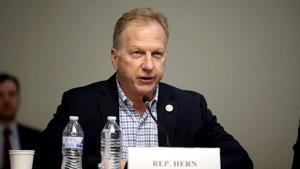
Hern projected to win Oklahoma GOP Senate primary

Pan criticizes Kiley as California congressional race heats up

U.S. Department of Justice investigates Newsom’s associates

G7 puts out statement on pursuing more private, ‘mutually beneficial’ international development

Advocates say price transparency alone won’t fix healthcare prices

Social media platforms challenge Chicago tax; Pritzker confident in statewide plan