Everyday Economics: Working more, falling behind
This week’s data tells a clear story: Americans are earning more dollars that buy less. The economy looks fine on paper. It doesn’t feel fine at the kitchen table.
Housing starts. May was another disappointment for anyone betting on a stronger year for the housing market, and single-family construction looks set to keep falling. Yes, rates are a little lower than a year ago, and housing costs themselves have cooled. But that’s cold comfort when the price of everything else is climbing. Adjust for inflation and disposable income is shrinking. A slightly cheaper mortgage doesn’t go far when the rest of the budget is stretched thin. The sluggish housing market is likely to keep builders on the sidelines.
The cost of living. The average household spent $78,535 last year – about $6,545 a month. Over the past year, that basket got 4.2% more expensive. That’s the fastest pace in three years. And the pain lands exactly where families can’t dodge it: energy is up 23.5%, gas up a brutal 40.5%, groceries up 3.1%. (Airfare is up almost 27%, if you were still hoping to fly somewhere this summer.) Run the math and the typical household needs about $275 more a month – roughly $3,300 a year – just to buy what it bought a year ago. Lower-income families feel it most, because food and fuel eat up more of their paycheck and there’s less room to cut.
Are wages keeping up? Not really. Pay is up about 3.4% in dollar terms. Sounds good, until you subtract inflation. Once you do, the average hourly wage actually fell 0.8% over the year. More dollars, less stuff.
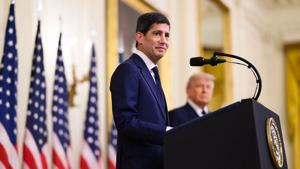
The Fed. Here’s the main event. Wednesday brings the first rate decision under new chair Kevin Warsh. A few months ago, the question was when the Fed would cut. With inflation pushing higher – driven by an energy shock from a longer-than-expected war in the Middle East – a cut is basically off the table.
So the Fed is stuck. Inflation is too hot to ease. The consumer is too tired to squeeze. Expect them to sit still; markets put the odds of no move at about 97%. Hiring actually picked up – 172,000 jobs in May – but wage growth keeps cooling, and a Fed that doesn’t see wages reigniting inflation can afford to wait and watch. If wages start to heat back up, hikes go from talk to real possibility. Investors already have one penciled in by year’s end. Without that, long-term rates probably hold and might even ease a bit, which would give mortgages and business loans a little breathing room.
Here’s the part that matters most for your household and your business: the forces doing the squeezing are mostly outside the Fed’s hands. Tariffs raise the cost of goods. A long war keeps gas prices up. Big deficits add pressure of their own. The Fed puts a floor on how low short-term interest rates can go. Upward pressure on rates leaves the Fed’s main tool a blunt instrument. The Fed can’t cut the price at the pump, undo a tariff, or end a war.
So don’t wait on this week’s rate decision to bail you out. The squeeze is coming from prices the Fed doesn’t control. Until energy costs settle and real wages climb back into positive territory, the gap between earning more and affording less is here to stay. Plan, budget and borrow with that in mind.



Partly Sunny
Latest News Stories

Walz: Praying for kids, teachers after horrific act of violence

Cooperation sought from Big Tech, financial industries to protect children

Two killed, 17 injured in Minneapolis Catholic school shooting

Department of Transportation reclaiming control of D.C. Union Station

New law sparks debate over Illinois school mergers, communities fear loss

Casey Gears Up for 37th Annual Popcorn Festival: A Labor Day Weekend Extravaganza!

Illinois in Focus: Rest area burglary arrests made; overdose awareness events planned

WATCH: Pritzker, Johnson defend public safety approach; campaign finance issue looms

Illinois quick hits: Record hotel tax revenues reported; grocer sentenced for SNAP, WIC fraud

WATCH: Policy questions loom as Pritzker announces ag investment, tax credits

Starry Night

WATCH: Police officer, legislator: Seize opportunity to reform Illinois’ cashless bail