Corrected Budget Shows Lake Land $363,869 Favorable Through March
Lake Land College Board of Trustees Meeting | May 11, 2026
Article Summary: Trustees accepted March financial statements that correct a budget-loading error discovered three weeks earlier, showing the college favorable to budget by $363,869 through 75% of fiscal year 2026, while $1.8 million in state payments remains outstanding.
March Financials Key Points:
- An incorrect budget loaded through March misstated the college’s actual-to-budget performance in monthly board reports; corrected statements align with the board-approved year-end budget of $38,390,843, less SURS.
- March revenue was favorable to budget by roughly $943,000, driven by State of Illinois payments, reversing an unfavorable year-to-date balance reported in February.
- The college received $696,661 from the Illinois Department of Corrections in April, with $2.5 million remaining outstanding on the FY26 balance.
MATTOON — The Lake Land College Board of Trustees on Monday, May 11, 2026, accepted March fiscal year 2026 financial statements that incorporate corrections to a budget error discovered three weeks earlier, showing the college favorable to budget by $363,869 in excess revenues year to date with 75% of the fiscal year complete.
Vice President for Business Services John Woodruff presented the statements, which the board accepted unanimously, 7-0, on a motion by Vice Chair Denise Walk seconded by Trustee Doris Reynolds. Student Trustee Wyatt Draper was absent.
According to Woodruff’s memo, the college discovered that the budget loaded through March was incorrect, and as a result the excess revenue actual-to-budget year-to-date performance was incorrectly stated in monthly board reports. The corrected March statements align with a year-end budget of $38,390,843, less SURS, as approved by the board. Page 11 of the board book was reworked for comparison purposes and will serve as the budget basis for the remainder of the year. Woodruff wrote that there are no concerns with actual performance or with the budget as it relates to revenue.
March revenue was favorable to budget by approximately $943,000, which helped reverse the unfavorable year-to-date balance reported in February’s statements; payments from the State of Illinois pushed year-to-date variances above budgeted revenue. To rework the budget portion, staff used March actuals, which is why the expenditures-by-category report shows March at no variance for the month and year to date.
State Payments and Other Funds
In his report earlier in the meeting, President Josh Bullock detailed recent payments: $696,661 received from the Illinois Department of Corrections in April toward the FY26 balance, with $2.5 million remaining outstanding; $115,866 from the Illinois Department of Juvenile Justice, with $22,488 outstanding; $710,411 for credit hour reimbursement; $514,413 for equalization; and $53,046 in CPPRT. The minutes also record a total of $1.8 million remaining outstanding from the State of Illinois; the record does not reconcile that total against the individual outstanding balances listed.
In the quarterly update on funds outside the general operating funds, Fund 3 (Construction Projects) recorded $829,265 in third-quarter expenditures related to Fieldhouse roof and overhang work and Front Entrance work that has begun. The memo reported no unusual revenue or expenditures in the Auxiliary, Grants, Audit and Tort funds.
Chance Showers And Thunderstorms then Mostly Sunny
Latest News Stories

Trump says he’s ready to nominate up to three Supreme Court justices
Military hostilities in Iran continue after Senate tanks War Powers Resolution

WATCH: Detransitioner battles to revive landmark malpractice and fraud lawsuit
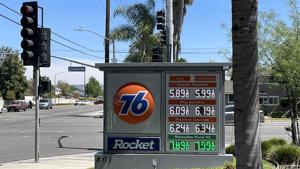
Iran economic fallout is temporary, Hassett says

Illinois Quick Hits: NFIB says biz deduction will bring jobs, benefit to Illinois

Soaring costs and short supply shut millennials out of housing market
Vought testifies before lawmakers on Trump’s $2.1T budget request

SNAP eligibility changes spark debate on gap for impacted recipients

Trump puts spotlight on China, Iran’s top oil consumer
Lawmakers, auditors offer fraud prevention solutions

Illinois unions seek to kill Waymo-friendly bill in Springfield
Rich States Poor States: Tax policy largely determines states’ economic competitiveness