Justice Department sues California, Virginia over new gun laws
The U.S. Justice Department sued California and Virginia Wednesday over new gun laws that went into effect the same day.
Both states used their Democratic trifectas – a Democratic governor and both legislative chambers under Democratic control – to pass more restrictive gun laws earlier this year that went into effect on July 1.
California enacted a glock ban and added to its “handgun roster,” a list that limits the types of handguns citizens can purchase there. Virginia enacted a law that bans the purchase and sale in the state of most kinds of semiautomatic rifles and magazines that can hold more than 15 rounds. Multiple studies and surveys indicate that the glock is one of – if not the most – popular handguns in the country, and the AR-15, included in the Virginia ban, is one of the most popular rifles.
The DOJ has alleged that the new state laws are unconstitutional.
“The Constitution is not a suggestion, and the Second Amendment is not a second-class right,” Acting Attorney General Todd Blanche said in a statement.
Blanche called California’s new laws a “blatant trampling” of American rights.
“On April 10, I promised Governor Spanberger that we would sue Virginia if she signed this unconstitutional weapons ban into law,” Assistant Attorney General Harmeet Dhillon of the department’s Civil Rights Division said in a statement. “Law-abiding Americans should not have to live under threat of criminal sanction for simply exercising their Second Amendment right to possess firearms owned by millions of their fellow citizens.
Virginians who already own the firearms included in the new ban can keep them, but the purchase, sale, or manufacture of the outlawed guns are forbidden from July 1 on.
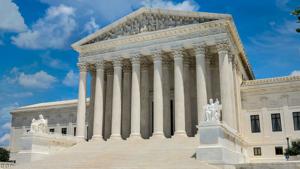
The lawsuits come on the heels of two recent Supreme Court rulings favoring broader gun rights.
Last week, the court slapped down a Hawaii law that would have made it difficult for gun owners with concealed-carry permits to carry their firearms most places. It required gun owners to obtain permission before entering most private property open to the public with their concealed-carry. Private property open to the public includes banks, restaurants, arenas or stadiums, grocery stores and most places individuals venture outside of the home.
The court’s conservative majority held that the law violated both the Second and Fourteenth Amendments.
The court also unanimously ruled earlier in June that government couldn’t categorically bar drug users from owning firearms was unconstitutional.



Chance Showers And Thunderstorms
Latest News Stories

Illinois quick hits: Pritzker tax payments revealed; teen abortion rate 3rd highest

Poll: Majority of Americans concerned with rise in political violence
Brief filed in effort to restore Fourteenth Amendment, end birthright citizenship

Federal judge extends order on NYC anti-terrorism funds

Trump says he may attend Supreme Court case challenging tariffs

L.A. County declares state of emergency for immigrants

Governors announce new multi-state health alliance

Horton resigns from DeKalb County School District
Second nationwide ‘No Kings Day’ protest set for Saturday
Trump, Patel tout ‘historic’ crime crackdown

Illinois quick hits: Business optimism index declines; Medicare open enrollment help offered

WATCH: California seeks investigation into big tech merger