
Justice Department sues California, Virginia over new gun laws
The U.S. Justice Department sued California and Virginia Wednesday over new gun laws that went into effect the same day.
Both states used their Democratic trifectas – a Democratic governor and both legislative chambers under Democratic control – to pass more restrictive gun laws earlier this year that went into effect on July 1.
California enacted a glock ban and added to its “handgun roster,” a list that limits the types of handguns citizens can purchase there. Virginia enacted a law that bans the purchase and sale in the state of most kinds of semiautomatic rifles and magazines that can hold more than 15 rounds. Multiple studies and surveys indicate that the glock is one of – if not the most – popular handguns in the country, and the AR-15, included in the Virginia ban, is one of the most popular rifles.
The DOJ has alleged that the new state laws are unconstitutional.
“The Constitution is not a suggestion, and the Second Amendment is not a second-class right,” Acting Attorney General Todd Blanche said in a statement.
Blanche called California’s new laws a “blatant trampling” of American rights.
“On April 10, I promised Governor Spanberger that we would sue Virginia if she signed this unconstitutional weapons ban into law,” Assistant Attorney General Harmeet Dhillon of the department’s Civil Rights Division said in a statement. “Law-abiding Americans should not have to live under threat of criminal sanction for simply exercising their Second Amendment right to possess firearms owned by millions of their fellow citizens.
Virginians who already own the firearms included in the new ban can keep them, but the purchase, sale, or manufacture of the outlawed guns are forbidden from July 1 on.
The lawsuits come on the heels of two recent Supreme Court rulings favoring broader gun rights.
Last week, the court slapped down a Hawaii law that would have made it difficult for gun owners with concealed-carry permits to carry their firearms most places. It required gun owners to obtain permission before entering most private property open to the public with their concealed-carry. Private property open to the public includes banks, restaurants, arenas or stadiums, grocery stores and most places individuals venture outside of the home.
The court’s conservative majority held that the law violated both the Second and Fourteenth Amendments.
The court also unanimously ruled earlier in June that government couldn’t categorically bar drug users from owning firearms was unconstitutional.



Mostly Clear
Latest News Stories

Musk has coalition support in lawsuit threat against Apple over App Store treatment

WATCH: Trump ‘considering’ lawsuit against Fed chair

Inflation holds steady amid trade war threats

Report: Average American household will benefit from ‘big, beautiful bill’ tax cuts

Pritzker continues fielding presidential question ahead of State Fair rally
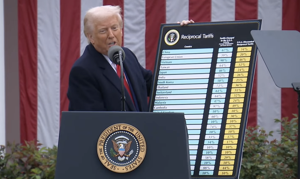
Whitmer takes a stand against tariffs; meets with Trump

WATCH: Illinois In Focus Daily | Tuesday Aug. 12th, 2025

Governor to evaluate tax proposal for Bears stadium in Arlington Heights

Illinois quick hits: Report shows rate of businesses leaving state

Report: New York No. 2 in nation for inbound tobacco smuggling

Lake Land College Hires Philadelphia Firm for $100,000 Digital Marketing Campaign

Trump delays China tariffs by 90 days