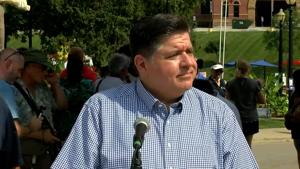
Environmental, tax issues weighed on $4M state-funded park
(The Center Square) – Plans for a state-developed park just blocks from the State Capitol and in front of the Governor’s Mansion were announced last week.
The state’s Department of Natural Resources has already pledged $4 million in taxpayer funds to the project, with a transfer of the land still pending.
The city of Springfield bought the plot of land, known locally as the “Y-Block” north of the Governor’s Mansion for $1.5 million in 2014 using funds from the downtown’s TIF district.
Over the past 12 years, multiple proposals and requests to develop the property have been put forward, but the land that was once home to the city’s YWCA remains as an open grass field.
State Sen. Doris Turner, D-Springfield, told The Center Square she looks forward to the project, and noted she’s had a hand in it since the city bought the property while she was on the council.
“Through budget negotiations, we were able to get $4 million included in the state budget. And I think that that will be enough to do what we need to do,” Turner said.
Misty Buscher, the city’s mayor, introduced an ordinance to donate the land to the state at the Springfield City Council’s meeting last week, before the project was announced.
Ken Pacha, a local activist and co-founder of the nonprofit Springfield Community Broadcasters, criticized Buscher during the council’s public comment period for blaming her predecessor for a lack of development.
He was also concerned about the city handing the land back to the state.
“You can blame [former mayor Jim] Langfelder, but you’ve been mayor for three years […] that is your Y-Block now,” Pacha said. “While I understand the Fiscal Year 25 budget earmarked a park, how often does the state change its mind, lose funding, decide that’s not where they want to go with it?”
According to IDNR, preliminary plans for the project include a limestone amphitheater, children’s play area and new landscaping.
The site has been subject to previous delays in development in part due to environmental concerns, backed by soil and groundwater sampling.
According to the proposed agreement, testing by the city is under review by the Illinois Environmental Protection Agency, but any costs to address previously confirmed subsurface contamination could fall on either state or local taxpayers.
Sen. Turner has pending legislation aimed at more tax increases and spending in Springfield, which was at one time attached to the “Megaprojects” bill to keep the Chicago Bears in the state.
Turner noted there is support for her bill, which would allow the state to use bonds to invest in development of the downtown area.
She said earlier this year that the bonds would be paid for through a county-wide hotel tax, along with other local taxes.
“I’ve lived in Springfield my whole life and I remember what downtown was and what it can be once again,” Turner said. “The legislation that I have pending, as well as the development of the Y-block, is definitely an investment in downtown Springfield that has the possibility of bringing dividends.”
A council committee is scheduled to discuss the transfer ordinance Tuesday, and a vote to finalize the change in ownership is expected during the council’s next full meeting July 21.




Scattered Showers And Thunderstorms
Latest News Stories

Parental rights groups concerned over DEI in Denver teacher contract

Homeland Secretary: Pritzker, Johnson are protecting dangerous criminals

Reports: DOJ probing NY AG’s fraud case against Trump
Trump warns of ‘Great Depression’ if appeals court curbs tariff power

Illinois in focus: DHS announces new facility; NFIB urges veto of regulations; minority scholarship lawsuit moves forward
Abbott to call ‘special session after special session’ in response to AWOL Dems

WATCH: Illinois In Focus Daily | Friday Aug. 8th, 2025

Legislator urges leaders to focus on relief for Illinois’ high property taxes

Charles Dewain Harlan, 73

Meeting Briefs: Casey City Council for August 4, 2025

Texas House, Illinois state senator sue 33 AWOL Democrats in Illinois court

WATCH: Democrat state redistricting efforts created unfair advantages, lawmaker says