Everyday Economics: Falling gas prices helped keep consumers spending
Inflation fell more than expected in June. That gave consumers some breathing room, and they kept spending – even if they became more selective about where their money went.Homebuilders were less optimistic.Beneath a volatile monthly increase in total housing starts, single-family construction continued to decline. Multifamily construction may be approaching a bottom, but overall homebuilding has fallen back toward its pre-pandemic pace – not nearly enough for a country with a 4.7 million-home housing deficit.Those three reports told a fairly consistent story about the economy.Falling prices helped consumers maintain their spending. Households did not retreat, but neither did demand suddenly surge. And while consumer spending remained resilient, high interest rates, construction costs and public-policy barriers continued to discourage builders from producing enough new housing.Falling prices helped consumers keep spendingHeadline consumer prices fell 0.4% from May to June, the largest monthly decline since April 2020. Core prices, which exclude food and energy, were unchanged from the previous month. Measured over the prior 12 months, core inflation slowed to 2.6% in June from 2.8% in May.Energy did most of the work. Energy prices fell 5.7% from May to June, led by a 9.7% monthly decline in gasoline. Shelter costs rose just 0.1% over the month, the smallest increase since January 2021, while services excluding energy were flat.Retail and food-service sales rose 0.2% from May to June, following a revised 1% monthly increase in May. On a simple adjustment using headline consumer prices, inflation-adjusted retail sales rose approximately 0.6%.That does not necessarily mean consumer demand suddenly accelerated. Much of the improvement came from falling prices, which increased households’ purchasing power and allowed them to buy more without spending much more.Consumers also remained selective. From May to June, restaurant sales rose only 0.1%. Clothing-store sales fell 0.3%, while sales at food and beverage stores declined 0.2%.The inflation and retail reports therefore fit together. Lower prices gave households some breathing room, and consumers took advantage of it rather than pulling back broadly.Sadly, the relief may also be temporary. Asking-rent growth has begun to firm, while renewed hostilities in the Middle East have pushed oil prices sharply higher again. If gasoline, transportation and housing costs begin rising, households will have less money available to spend elsewhere.Homebuilding continued to weakenThe housing report looked stronger at first glance. But almost all of the monthly increase came from the volatile multifamily sector.Starts of buildings with five or more units surged from an annualized pace of 291,000 in May to 513,000 in June. The increase followed an unusually weak month and should not be interpreted as the beginning of a new apartment-building boom. Averaging across the quarter, multifamily starts remained about 5% lower in the second quarter than in the first.Single-family construction continued to move in the opposite direction. Single-family starts fell 0.2% from May to June to an annualized pace of 895,000. Single-family building permits, a measure of future construction, fell 2.4% over the month to an annualized pace of 871,000.While single-family keeps falling, there are reasons to believe the multifamily downturn may be approaching a bottom. The national rental vacancy rate was 7.3% in the first quarter, statistically unchanged from 7.2% in the previous quarter and 7.1% a year earlier. Rent growth has also begun to firm.Together, those figures suggest that the apartment market is gradually absorbing the wave of units started during the pandemic-era construction boom. Completions and rental demand are moving closer to balance, and developers may no longer need to reduce construction at the same pace.That is stabilization, not recovery.The housing deficit stopped growing, but it did not shrinkThe national housing deficit held at approximately 4.7 million homes in 2024. The deficit grew by just 43,000 homes, down sharply from an increase of 159,000 in 2023 and 257,000 in 2022.That was an important milestone.Approximately 1.4 million homes were added on net during the year, bringing new housing supply roughly into balance with the growth in families needing homes. For the first time since the housing crisis, construction kept the national housing deficit from getting materially worse.But the accumulated gap did not shrink.The deficit is also concentrated in some of the country’s most expensive metropolitan areas. New York, Los Angeles, Boston, San Francisco and Washington had the largest estimated deficits in 2024. These are also among the markets where relatively few homes listed for sale are affordable to a household earning the local median income.The plateau shows that closing the deficit is possible. When more homes were built, the deficit stopped worsening.But not getting worse is not the same as getting better. The latest decline in construction threatens to reverse the limited progress made in 2024.A country short of 4.7 million homes cannot solve its affordability problem by building at the same pace it did when the deficit was still getting larger.Builders are being squeezed from both sidesMortgage rates remain in the mid-6% range, keeping monthly payments beyond the reach of many potential buyers. The average 30-year fixed mortgage rate was 6.55% during the week ending July 16.Builders have responded with incentives and price cuts. In July, 37% of builders reported cutting prices, with an average reduction of 6%. Another 63% were offering sales incentives.The homebuyer affordability challenge leaves builders with very little pricing power.At the same time, the cost of financing, materials, labor and land has risen and remains elevated. When the cost of producing a home rises but buyers cannot afford a higher sale price, builders have to absorb the difference.That is margin compression.If the expected return on a project becomes too small, builders delay it, reduce its size or do not begin it at all. That helps explain why permits and single-family starts are falling even though the country remains millions of homes short of what is needed for every family in the United States.Public policy is part of the problemThere is no single culprit.Borrowing costs remain elevated. Long-term rates reflect inflation expectations, expected future monetary policy and the amount of federal debt investors are being asked to absorb. Recent Federal Reserve research finds that increases in expected federal debt raise longer-term neutral rates and the term premium on Treasury securities. Those higher Treasury yields increase the cost of long-term credit for households and businesses.That means elected officials in Washington share responsibility for high borrowing costs.Trade policy adds another layer.Homebuilders have received partial protection from some tariff actions, but they have not received a blanket exemption for building materials. Separate duties remain on Canadian lumber, steel, aluminum, cabinets, appliances and other products used in residential construction. The National Association of Home Builders (NAHB) had been urging the White House to exempt building materials and support legislation that would create a formal exclusion process.And builders can face higher costs even when they purchase supplies from a company based right here in the United States.The local supplier may use imported materials or components. The New York Federal Reserve found that many businesses that did not directly pay tariffs still faced higher prices from suppliers that did.Those costs are still moving through the economy. Among businesses that paid tariffs directly, 47% of service firms and 44% of manufacturers said they still planned additional tariff-related price increases. Some expected to wait more than six months before fully passing along the cost.The renewed war in the Middle East has added to the pressure by raising oil, diesel and transportation costs. NAHB reports that building-material prices have accelerated partly because of higher gasoline and diesel prices. More than 60% of builders surveyed by the group said tariffs had already increased their costs.Businesses generally have three choices when input costs rise: raise their prices, accept lower margins or reduce production.Many companies will raise prices. The New York Fed’s findings suggest that more tariff pass-through is still coming.Builders face a harder choice. Mortgage rates are already around 6.5%, buyer traffic is weak and more than one-third of builders are cutting prices. Raising home prices enough to recover their higher costs could mean losing the sale altogether.So builders absorb more of the cost. When the margins no longer work, they pull back.Local officials also decide what gets builtFederal policy affects financing and material costs. State and local policy often determines whether a home can be built at all.Zoning restrictions can limit the number of homes allowed on a parcel. Permit delays add financing costs while land and construction loans continue accruing interest. Impact fees, design mandates, parking requirements and building-code changes raise the cost of each unit.An NAHB study estimates that government regulation at the federal, state and local levels adds approximately $131,700 to the price of an average new single-family home – about a quarter of the final sales price.That is an industry estimate rather than an independent government audit, and not every regulation is unnecessary. Building codes, worker protections and environmental standards can provide real benefits. But there is almost always a tradeoff. The estimate illustrates the cumulative cost of fees, mandates and delays imposed by multiple layers of government.In San Diego County, the building industry pushed to hold off on a new inclusionary-zoning mandate until an independent economic analysis was complete. The county adopted the requirement anyway — a 5% affordable set-aside on larger projects. The logic of their concern is simple: modest affordability mandates add below-market units at little cost, but past a certain threshold they cut total production sharply and end up delivering fewer affordable homes.In Chicago, builders are campaigning to overhaul the city’s Affordable Requirements Ordinance. They argue that steep in-lieu fees – highest in the neighborhoods where new supply is needed most – are discouraging development.These examples reflect the building industry’s perspective. But they show how local policy decisions affect how many homes get built and where.Taxpayers and homebuyers can end up paying twice.First, public policy can raise the cost of financing, materials, land and construction. Then governments might end up using tax credits, subsidies and affordability programs to offset housing costs that government policies helped increase in the first place.Closing the housing deficit will require governments to stop making new housing unnecessarily difficult and expensive to build.What to watch this weekThe main housing report arrives Friday, July 24, when the government releases June new-home sales.The sales total will show whether consumers are still responding to mortgage-rate buydowns and other incentives offered by builders. It will also provide a clearer view of how much completed inventory builders have accumulated.More finished homes on the market could lead to additional price reductions and buyer incentives. But if homes remain unsold, builders may respond by cutting construction even further.






Sunny
Latest News Stories
Illinois pauses redistricting effort after Supreme Court ruling

U.S. gas prices at 4-year high as oil exports hit new record

Government leaders statewide call for cashless bail reform after CPD officer killed

Early Run Support Lifts Casey-Westfield Past Dieterich Baseball, 9-2

Freshman Ava Leo Powers Mattoon Softball Past Casey-Westfield, 11-8

Illinois Quick Hits: Pritzker announces new IBM investment at Quantum Park

ISU’s union says it cheaper to negotiate than paying

Iran conflict, refinery disruption play roles as Illinois gas price passes $4.50

Illinois Quick Hits: Ex-East St. Louis librarian sentenced for fraud, theft
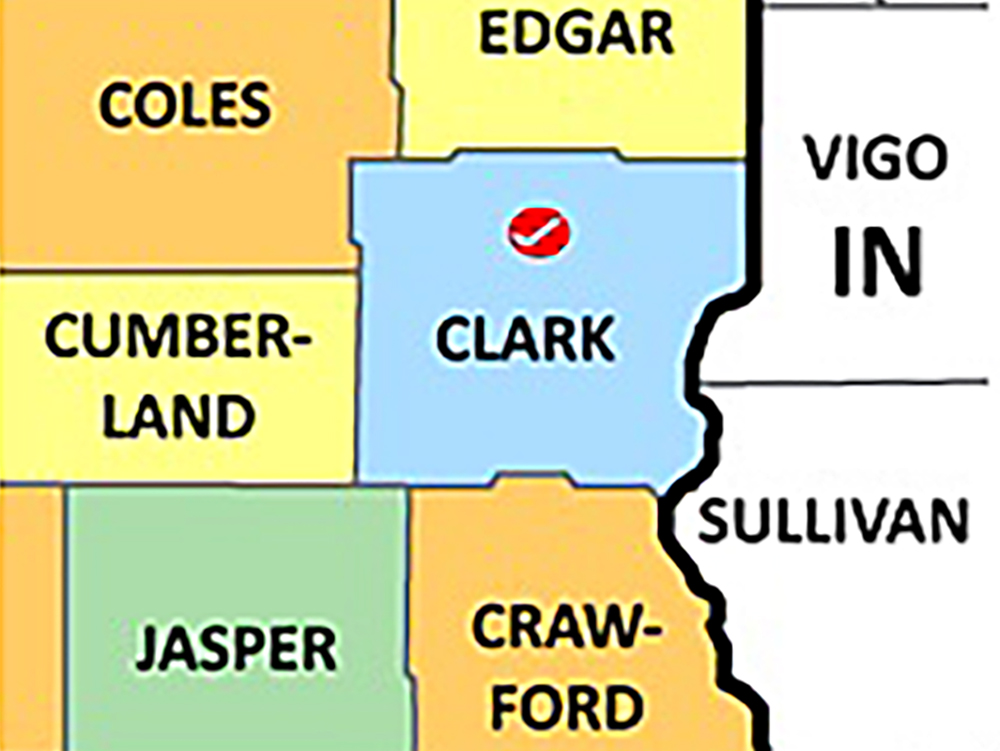
Meeting Summary and Briefs: Clark County Board for March 20, 2026

Building Reports Highlight Testing Triumphs, Historic Track Records, and Career Exploration

Meeting Summary and Briefs: Casey City Council for April 20, 2026

Clark County Ambulance Service Reports National Award, Staffing Strain
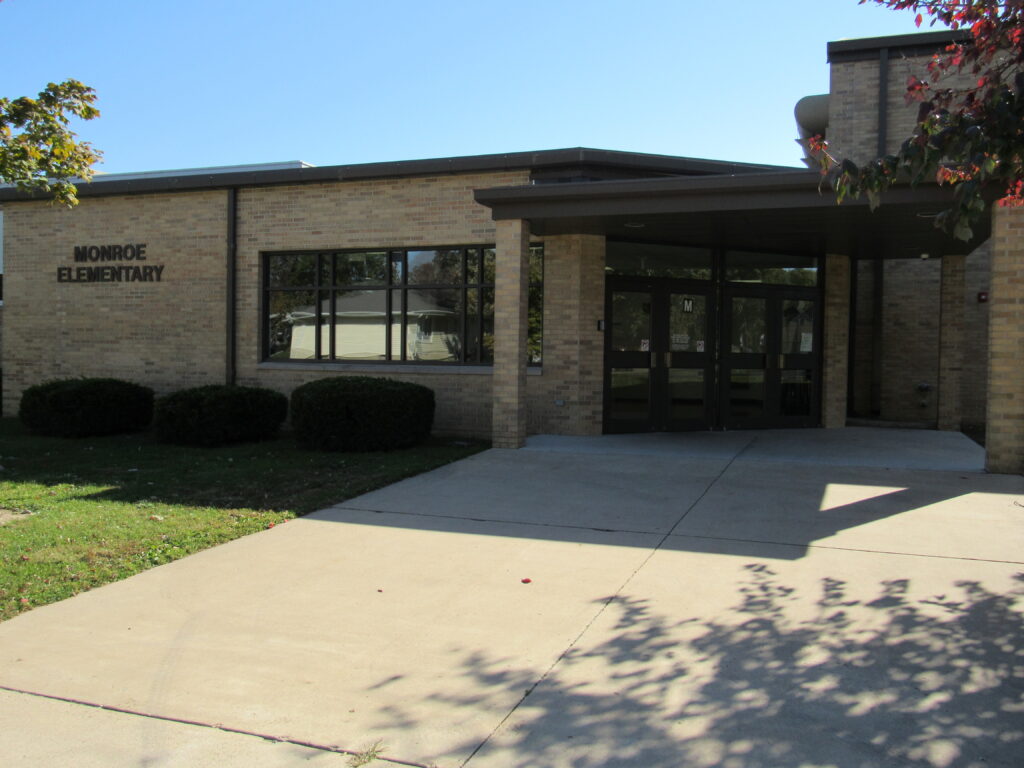
Casey-Westfield Board Approves Nearly $100,000 for Monroe Elementary Technology Upgrades