Official: Agreement could come soon on Colorado River
A federal water distribution and management plan may come out soon regarding the Colorado River, a University of Colorado at Boulder water official told The Center Square.
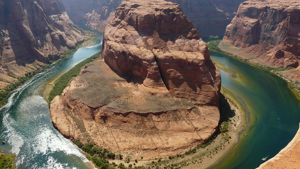
The river provides water for agricultural irrigation, hydropower, recreation and municipal supplies throughout the Southwest. Its Upper Basin consists of Colorado, Utah, Wyoming and New Mexico. The Lower Basin is made up of California, Arizona and Nevada.
The Colorado River’s current operating rules are set to expire this year, and the seven states are currently without an agreement on how to manage, operate and allocate resources from the two main reservoirs formed by the Colorado River. But there are active negotiations between the U.S. Bureau of Reclamation and the Upper Basin states regarding reservoir operating rules.
And a federal plan based on the seven states’ input may be reached soon, according to Doug Kenney, the director of the Western Water Policy Program at the University of Colorado at Boulder (CU Boulder).
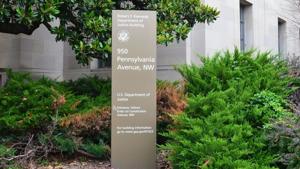
The river runs through seven states and empties into northwestern Mexico. Because of this, the operating rules, regulations, and management is not left up to the discretion of one jurisdiction. The U.S. Department of the Interior, alongside its Bureau of Reclamation, owns and operates key infrastructure along the Colorado River. This includes the Hoover Dam on the border between Nevada and Arizona and the Glen Canyon Dam in Arizona, which created Lake Mead and Lake Powell respectively.
These two lakes are the Colorado River’s largest reservoirs.
The Post-2026 Operating Guidelines will determine how water is stored and released from these federally managed reservoirs, especially as water shortages are becoming increasingly prevalent across the Upper and Lower Basin states.
The Bureau of Reclamation released the Environmental Impact Statement in January in accordance with federal policy that requires an environmental review of the seven states’ policies.
Following the statement’s release in January, the bureau entered a 45-day public comment period ending March 2.
The Bureau of Reclamation is now reviewing those comments and preparing to release the Final Environmental Impact Statement by Oct. 1 – even if the states do not come to an agreement.
The bureau told The Center Square that it is in the final stages of preparation for the Final Environmental Impact Statement on Post 2026 Colorado River operations.
It further added that it is continuing “to work closely with the Seven Basin States on the details of operations. Given the risk and uncertainty facing the Basin, the elements of a preferred alternative being analyzed are designed to provide stability while allowing flexibility to incorporate consensus-based recommendations as they develop.”
Kenney at CU Boulder said there is some consensus among the states, but noted, “there’s no agreement about how those curtailments should be allocated.”
The new operating rules will most likely be “based on the recent Lower Basin proposal,” but adds that there might be “some elements that speak to Upper Basin concerns,” Kenney, the Western Water Policy Program director, said during the interview with The Center Square.
Kenney added that this agreement is “not a decision [the federal government] has crafted independently. It’s based on a framework provided by the Lower Basin and has been tweaked inside negotiations with the Upper Basin states.”
A key issue is finding a solution that works for everyone. “Everyone wants an ‘equitable’ solution, but equity is in the eye of the beholder,” Kenney said.
He also noted the federal government has more power to act in the Lower Basin states, so it will likely focus most of its efforts there.
But as the federal government’s role in Basin states is increasing, this could make it more likely for states to engage in litigation against one another, Kenney said.
The Basin states have historically agreed that water shortages require additional conservation – and water shortages are becoming an increasingly prevalent problem across these states. However, the states remain divided over how conservation efforts should be allocated.
Furthermore, the reservoir operating guidelines tell each state how much water they get.
“Collectively, the states all know that water use cutbacks are required, but there’s no agreement about how those curtailments should be allocated,” Kenney said.
Upper Basin states, including Colorado, have generally argued that since they have used less than their full legal allocation, they should not bear disproportionate cuts. The Lower Basin states, where much of the water is consumed by large metropolitan areas and agricultural operations, have articulated different priorities regarding future water usage.
Nearly 40 million people use the water from the Colorado River and respective reservoirs.
“Many more eat the food, especially winter vegetables, that are grown in the Basin … It’s well over a trillion-dollar economy,” Kenney said.
The Bureau of Reclamation released a set of alternative development proposals for the Colorado River Post 2026 Operations in March, and new developments include the Lower Basin proposal in May, which brings the region one step closer to an agreement.





Mostly Sunny
Latest News Stories
Pritzker knocks state progressives’ ability to pass new tax measures

Illinois Quick Hits: Pritzker talks Bears stadium with NFL commissioner

Op-Ed: Oversight faps in federal drug program put Illinois’ independent practices at risk
War of words reignites with Trump, Pritzker, Bailey

Judge won’t let ConAgra off hook in class action over fish fillet brine
Clark County Tables Solar, Wind Ordinance Amendments After Union Warning
Tuberville, Jones to face off in Alabama governor’s race

Congressional candidates discuss immigration, tax policies

Trump-endorsed Gallrein outs Massie in Kentucky

U.S. House defies Senate, weakens private equity restrictions in housing bill

Illinois Quick Hits: Group files lawsuit against gun owner ID law
Pritzker touts EV plant in Normal, Bailey says taxpayers bear the burden