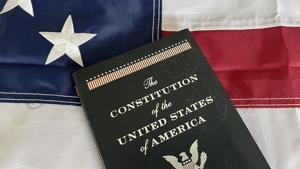
U.S. Chamber of Commerce sues Trump over H-1B visa fee
The U.S. Chamber of Commerce, one of the world’s largest business federations, filed a lawsuit against the Trump administration on Thursday over its proposed $100,000 H-1B visa fee.
On Sept. 19, President Donald Trump issued a proclamation imposing a one-time, $100,000 fee on new H-1B applications. The administration cited wage suppression and lack of jobs for American workers in its proclamation.
H-1B visas are typically issued to high=skilled foreign workers with bachelor’s degrees at minimum. Foreign workers are typically employed in technology, engineering and science fields. Amazon, Meta and Apple are among the top employers petitioning for H-1B workers in 2025.
Congress sets a cap of 65,000 H-1B visas per year but allows up to 85,000 for individuals with advanced degrees.
“If implemented, that fee would inflict significant harm on American businesses, which would be forced to either dramatically increase their labor costs or hire fewer highly skilled employees for whom domestic replacements are not readily available,” the chamber said in its court filing.
The chamber said competing countries could take advantage of fewer foreign workers being recruited in the United States due to the new visa fee.
China recently launched its new visa program, the K visa, to recruit workers in science, technology and engineering fields.
The visa is designed “to promote exchanges and cooperation between young science and technology talents from China and other countries,” said Guo Jiakun, Chinese foreign ministry spokesperson.
The chamber said imposing the fee goes beyond the president’s authority to issue rules related to immigration. The lawsuit cited the Immigration and Nationality Act, which gives Congress the authority to set fees for immigrant visas.
The business federation also argued the administration’s fee is unlawful by itself.
The lawsuit said allowing the fee to be implemented would give “the President blanket authority to create completely different classifications, rules, and procedures, and deny ‘entry’ to any noncitizen who did not comply with them.”
On Oct. 3 a coalition of unions also filed a lawsuit against the Trump administration’s H-1B fees in California.
“Most fundamentally, the President has no authority to unilaterally impose fees, taxes or other mechanisms to generate revenue for the United States, nor to dictate how those funds are spent,” the lawsuit reads.
The unions also argue imposing a fee on new petitions will harm hospitals, churches, schools and universities, on the basis that the law will lead to a workforce shortage in critical industries.
The U.S Chamber of Commerce filed its lawsuit in the district court of the District of Columbia.
“It blatantly contravenes the fees Congress has set for the H-1B program and countermands Congress’s judgment that the program should provide a pathway for up to 85,000 people annually to contribute their talents to the United States for the betterment of American society,” the lawsuit reads.





Mostly Sunny
Latest News Stories

Illinois Quick Hits: Nine arrested during Naperville teen gathering
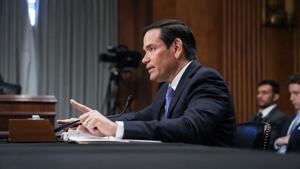
Rubio provides few answers to Congress on Iran conflict timeline

Pritzker housing proposal partly stalls amid overreach concerns from localities
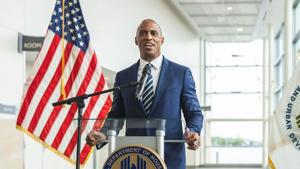
HUD shifts $4B homelessness program from ‘Housing First’ to treatment

Poll: Democrats hold slight edge over Rogers in Michigan U.S. Senate race

Swipe fee battle continues after delay, court ruling

Walz appoints members to Operation Metro Surge ‘Truth Council’

$45M included in budget for previously unfunded property tax relief

Over one ton of cocaine seized at U.S.-Mexico tunnel bust

National security group urges Congress to investigate Airwallex ties to CCP
Open primary system debated as Californians go to polls

Illinois Quick Hits: Pritzker signs two bills