Poll: Majority of Americans do not support National Guard to deter crime
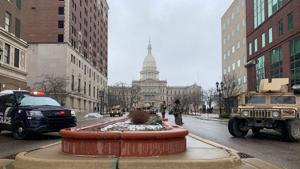
As President Donald Trump continues to deploy troops into American cities in an effort to reduce crime, more than half of Americans said they do not think it is appropriate to do so, a new poll finds, though half of voters say they would support deploying the National Guard to their city or state.
The Center Square Voters’ Voice Poll, conducted by Noble Predictive Insights, surveyed 2,565 registered voters between Oct. 2-6. The poll found that 60% of voters do not think it’s appropriate to deploy National Guard troops to fight crime compared to 40% who do not think so.
A sharp partisan divide emerged in response to the question, with 58% of Republicans supporting National Guard crime deterrence and 24% of Democrats. Independents made up about 30% of those who said it was appropriate.
About 36% of voters said it would be appropriate for the National Guard to address civil unrest or protests and 27% said it would be appropriate for the guard to respond to immigration in sanctuary cities. Respondents were provided with several selections and could mark as many as they wished.
The only scenario where the majority of voters supported deploying the National Guard was for responding to natural disasters or emergencies at about 69% of voters.
Mike Noble, founder and CEO of Noble Predictive Insights, said the poll represents the public’s wavering support for National Guard deployments, in contrast with messaging from the Trump administration about its benefits.
“[It] may sound good for a headline, especially with more fervent base supporters, but when it comes to overall electoral popularity, it just isn’t there unless you’re talking about a natural disaster,” Noble said of National Guard deployments.
Trump has deployed the National Guard to Washington D.C. to reduce crime, which has worked. Over the summer, Trump deployed the National Guard on Los Angeles to protect U.S. Customs and Immigration Enforcement agents carrying out deportation operations. Trump has called up the National Gard in Chicago and Portland to but federal courts in the two states have blocked the deployments.
Voters were also asked how much they would support Trump deploying the National Guard to their city or state. About 50% of voters either somewhat or strongly supported the action. About 40% of voters strongly or somewhat oppose Trump deploying the National Guard to their city or state while about 9% said they were unsure.
Republican voters made up the majority of support for National Guard deployment to their city or state. About 82% of Republican respondents said they would support such a deployment and 55% of those would “strongly support” the National Guard’s deployment in their city.
Contrasted with Democrats and Independents who were far more split, about 69% of Democrats strongly or somewhat opposed deploying the National Guard to their city and 45% of Independents said the same.
Independent voters made up the largest percentage of those unsure about deploying the National Guard to their city, as about 18% neither opposed nor supported the action.
“It seems like overall it’s still not a great issue because you’re losing support with independents on that overall issue,” Noble said.





Showers And Thunderstorms Likely
Latest News Stories

U.S. Supreme Court agrees to hear veteran’s benefits challenge
Supreme Court declines to hear challenge to Illinois public transport gun ban

Illinois Quick Hits: Report says Pekin Bowling Center ‘taxed out of business’
Tiffany vows to end subsidies for data centers in Wisconsin

Firefighter age bill stalled despite union backing

Casey Adopts Business District Redevelopment Program Alongside Local Grant Initiatives

Tri-Valley Outlasts Casey-Westfield 11-9 in High-Scoring Tournament Clash
Clark County Sheriff’s Office Issues Warning Over Fake Parking Violation Text Scam

Lawmaker criticizes surplus spending bill
Calumet Christian Uses Late Surge to Defeat Casey-Westfield 5-3

Meeting Summary and Briefs: Clark County Board for February 20, 2026

Salvation Army rehab ‘enrollees’ who work at thrift stores aren’t ‘employees’