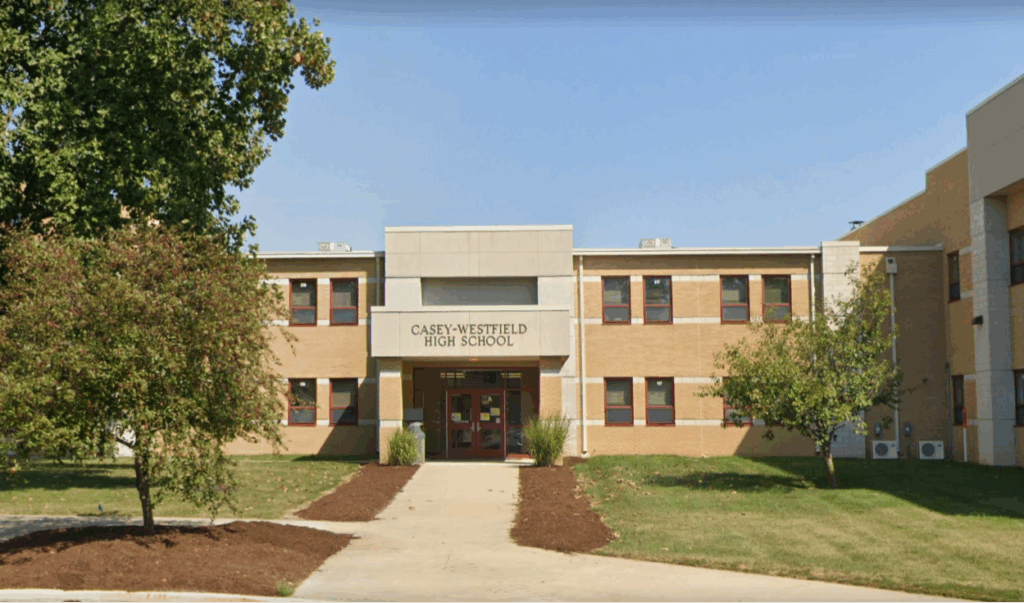
Congressional Perks: Committees, caucuses cost $50 million since 2019
Since 2019, partisan and special interest caucuses and coalitions in the U.S. House spent at least $50 million for staff, food, travel and other expenses, an investigation by The Center Square found.
The Democratic Caucus accounted for $16.4 million – the most – and the Republican Conference came in second spending at least $14.4 million, The Center Square analysis of House spending data shows.
The New Democratic Coalition, Asian Pacific American, Congressional Black, Congressional Western, Congressional Progressive, Hispanic and Democratic Women’s caucuses jointly spent an additional $15 million, data shows.
Caucuses formed to focus on specific issues, such as the Problem Solvers and Equity caucuses, spent about $1 million each, with the Main Street Republicans spending $534,000 of taxpayer money and the Pro-Choice caucus $345,000, the data shows.
David Williams, president of the Taxpayers Protection Alliance, said the spending on partisan and special-interest caucuses should not be coming out of taxpayer funds.
“This money is gone,” he said after The Center Square told him of the spending. “You have to pay for it privately or through campaign funds.”
He made a distinction between caucuses and coalitions, which are partisan gatherings or groups discussing an issue, and official House committees working on problems or investigating public concerns.
He also questioned why taxpayers who might be opposed to an issue are on the hook to pay for a group discussing it.
“If you’re pro-life and you’re a taxpayer, you are funding a caucus that you disagree with, and the opposite obviously can be true if you’re pro-choice and you’re paying for pro-life,” he said. “So you see that taxpayers are paying for members of Congress to … advocate for things that they don’t agree with in a caucus.”
But JD Rackey, associate director of the Structural Democracy Project at the Bipartisan Policy Center, said the caucuses are valuable in that they provide a forum to work on ideas and legislation.
“A long history of political science research shows that these caucuses serve as legislative idea and policy hubs for members, and so is one way for members to develop kind of idea proposals that they can talk about with their colleagues or with the public to try to enact law,” he said. “Without them, you have kind of more choke points in the development of legislative ideas that are controlled either by party leaders or outside interest groups and things like that. So they serve as kind of an extra brain trust for for legislative policy development.”
Daniel Schuman, executive director of the American Governance Institute, said caucuses are not always that useful.
“The Problem Solvers caucus was center-left and center-right members trying to work across party lines,” he said. “It was not particularly effective.”
Calls left at the House offices of several of the caucus chair people were not returned.




Partly Sunny
Latest News Stories

Union president: TSA workers want to be paid, not replaced by ICE

Illinois Quick Hits: DHS wants migrant charged with killing to remain in custody

IL U.S. Rep says health care crisis caused by failing to extend ACA tax credits

Judge declines CTU’s motion to dismiss financial audit lawsuit
Illinois pushes rate-hike protections forward despite consumer cost fears
Illinois bill aims to delay 2024 tax sales, protect homeowners’ equity

Illinois Quick Hits: Man on pretrial release charged with fireman’s murder
Casey-Westfield High School Students Secure Top Honors at Regional Academic Competitions

Comptroller, state lawmaker call for federal tax credit scholarships

Early Surge and Defensive Miscues Propel Casey-Westfield Past Centennial 11-1

Karras and Goble Lead the Way as Casey-Westfield Softball Downs Clifton Central 6-1
Power Surge and Goble’s Arm Lead Casey-Westfield Softball Past St. Anthony, 7-1

Marshall School Board Approves Adjusted 2025-26 Schedule, Sets 2026-27 Calendar