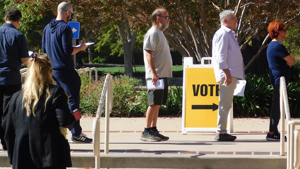
Congressional Perks: Committees, caucuses cost $50 million since 2019
Since 2019, partisan and special interest caucuses and coalitions in the U.S. House spent at least $50 million for staff, food, travel and other expenses, an investigation by The Center Square found.
The Democratic Caucus accounted for $16.4 million – the most – and the Republican Conference came in second spending at least $14.4 million, The Center Square analysis of House spending data shows.
The New Democratic Coalition, Asian Pacific American, Congressional Black, Congressional Western, Congressional Progressive, Hispanic and Democratic Women’s caucuses jointly spent an additional $15 million, data shows.
Caucuses formed to focus on specific issues, such as the Problem Solvers and Equity caucuses, spent about $1 million each, with the Main Street Republicans spending $534,000 of taxpayer money and the Pro-Choice caucus $345,000, the data shows.
David Williams, president of the Taxpayers Protection Alliance, said the spending on partisan and special-interest caucuses should not be coming out of taxpayer funds.
“This money is gone,” he said after The Center Square told him of the spending. “You have to pay for it privately or through campaign funds.”
He made a distinction between caucuses and coalitions, which are partisan gatherings or groups discussing an issue, and official House committees working on problems or investigating public concerns.
He also questioned why taxpayers who might be opposed to an issue are on the hook to pay for a group discussing it.
“If you’re pro-life and you’re a taxpayer, you are funding a caucus that you disagree with, and the opposite obviously can be true if you’re pro-choice and you’re paying for pro-life,” he said. “So you see that taxpayers are paying for members of Congress to … advocate for things that they don’t agree with in a caucus.”
But JD Rackey, associate director of the Structural Democracy Project at the Bipartisan Policy Center, said the caucuses are valuable in that they provide a forum to work on ideas and legislation.
“A long history of political science research shows that these caucuses serve as legislative idea and policy hubs for members, and so is one way for members to develop kind of idea proposals that they can talk about with their colleagues or with the public to try to enact law,” he said. “Without them, you have kind of more choke points in the development of legislative ideas that are controlled either by party leaders or outside interest groups and things like that. So they serve as kind of an extra brain trust for for legislative policy development.”
Daniel Schuman, executive director of the American Governance Institute, said caucuses are not always that useful.
“The Problem Solvers caucus was center-left and center-right members trying to work across party lines,” he said. “It was not particularly effective.”
Calls left at the House offices of several of the caucus chair people were not returned.




Partly Sunny
Latest News Stories

Casey-Westfield Capitalizes on Oakwood Errors, Holds On for 6-3 Victory

Casey-Westfield Capitalizes on Free Bases in 14-1 Rout of ALAH
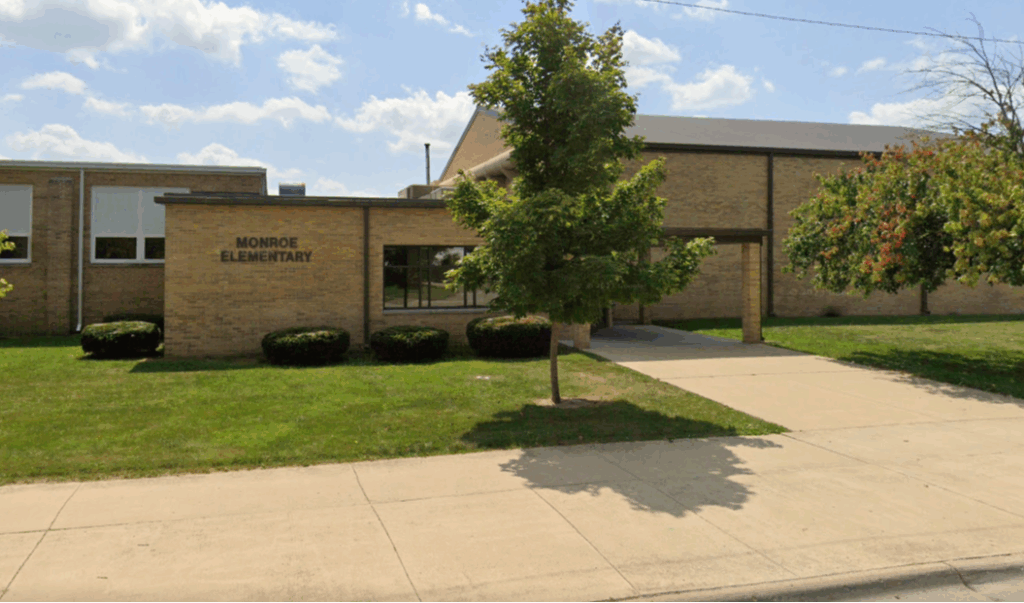
Board Grants Fire Department Building Access, Upholds Wednesday and Sunday Sports Restrictions

Marshall Board of Education Approves Over $88,000 in Emergency Repairs and Fine Arts Upgrades
Meeting Summary and Briefs: Casey Township Library Board for February 5, 2026

Casey Township Library Announces “Plant a Seed, Read” Summer Program and Imagination Library Milestones
Goble Dominates in the Circle, Casey-Westfield Offense Explodes in 15-0 Rout of Woodlawn
Casey-Westfield Board Approves Principal Contracts, Hires New Head Football Coach

Everyday Economics: The Fed faces a slowing economy and a new inflation shock
Poll: Slim majority of Americans unhappy with Trump’s job performance, economy
Most voters support bans on transgender athletes in female sports

Martinsville School Board Bans Individual from District Events Following Special Hearing