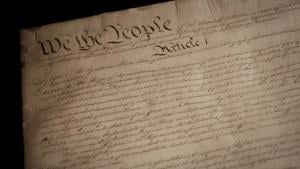
Op-Ed: The Declaration is a gift. But to keep it, we must earn it
As Americans prepare to celebrate our nation’s 250th birthday, there will be no shortage of fireworks, parades, speeches and reflections on our history. Those celebrations are appropriate. The signing of the Declaration of Independence remains one of the most consequential events in human history.
Its ideas changed the world. Across the globe, they inspired movements to abolish slavery, advance human rights, and expand opportunities for millions. They established a moral standard against which future generations would measure both America’s successes and its failures.
The Declaration is one of America’s greatest gifts. To keep it, we must understand it, discuss it and apply it.
So what makes the Declaration of Independence one of the most influential documents in human history?
To find out, I propose a simple challenge.
Gather with family, friends, neighbors, students, colleagues or fellow members of your community and spend one hour discussing what Walter Isaacson has called “the greatest sentence ever written”:
“We hold these truths to be self-evident, that all men are created equal, that they are endowed by their Creator with certain unalienable Rights, that among these are Life, Liberty and the pursuit of Happiness.”
Most of us have never seriously considered what these words mean.
Are they merely an aspirational slogan? Or do they make claims about reality, equality, rights and human dignity that are true for all people and all time?
And if those claims are true, what do they require of us as citizens and as individuals in a civil society?
This challenge is an invitation to civil discourse – to listen, understand, and think independently. There are no scripts, no partisan litmus tests, and no pressure to reach agreement.
What does it mean to say that these truths are self-evident?
What does it mean to say that all people are created equal?
What does it mean to say that we are endowed with unalienable rights?
What responsibilities accompany those rights?
The purpose of the challenge is not to prescribe answers, but to encourage thoughtful engagement with questions that have shaped our nation from the beginning.
Americans will answer those questions in different ways, as they should. Ours has always been a nation of diverse perspectives united by a shared commitment to self-government.
At its core, the Declaration is a statement about human nature. It begins with the conviction that all people possess inherent dignity and moral rights, not because of their status, achievements, wealth or power, but because of who they are by nature. Those rights exist prior to government and place limits on what government may rightly do.
The Declaration’s principles transformed the relationship between individuals and government and shaped the American experiment in self-government. But self-government requires more than rights. It requires responsibility. It requires citizens willing to think, listen, learn, persuade and work together despite their differences.
In a free society, people will disagree. They always have. The challenge is not to eliminate disagreement but to approach it with curiosity and respect.
The Declaration was never intended merely to be admired. Its principles were meant to be understood, discussed, applied and passed on.
The challenge of this anniversary is not simply to celebrate the Declaration, but to earn the gift we have inherited.
So take one hour. Gather a few people. Read the Declaration’s most famous sentence together. Discuss it honestly. Listen carefully. Ask questions. Share perspectives.
If millions of Americans did that, our nation’s 250th birthday would become more than a commemoration of the past. It would become an investment in the future of the American experiment.
That is an investment worth making.





Chance Showers And Thunderstorms
Latest News Stories

Victims, families support bill protecting victims of sexual assault in schools

Retired military officials warn CMS bidding expansion poses national security risks

Lobbyist: Passenger rail planning bill has no fiscal impact this year
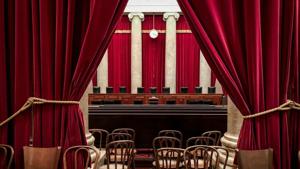
U.S. Supreme Court appears skeptical of drug user gun ban

Illinois job market stalls, more than 300,00 left looking for work

Poll: 47% of U.S. voters oppose bombing Iran
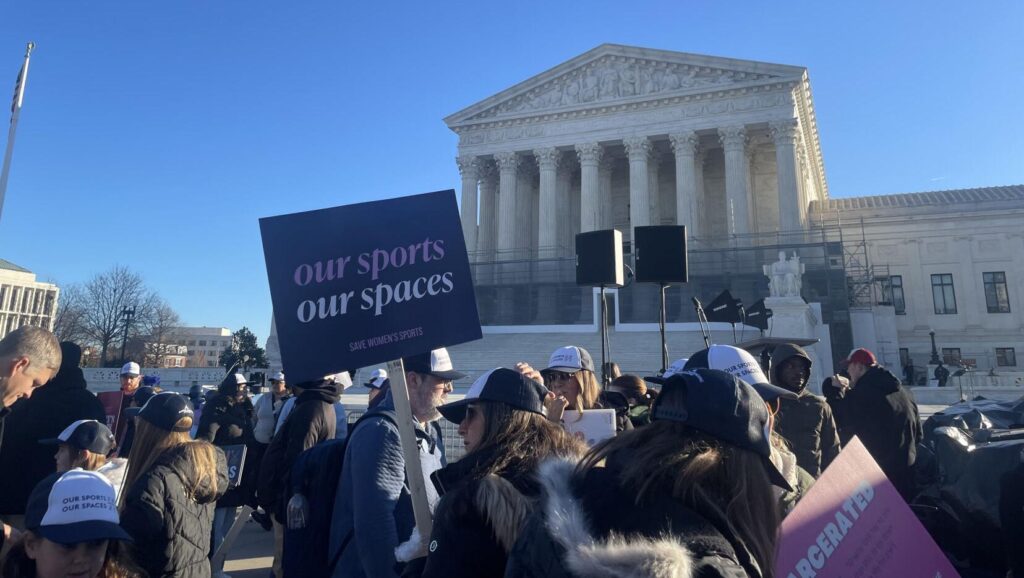
WATCH/EXCLUSIVE: Title IX debate continues with Supreme Court decision pending

Illinois diversity commissioner did not properly disclose $23K side job

DOJ indicts 30 more in St. Paul church protest case

Hegseth: Operation Epic Fury ‘just the beginning’ of U.S. action in Iran

Trump administration tells court tariff refunds ‘will take time’
Supreme Court declines to hear felony gun possession case